

- University
- Academic
- Schools/Vocational Schools
- Vocational School of Justice
- Vocational School
- Vocational School
- Department of Banking and Insurance (Turkish)
- Department of Computer Programming (Turkish)
- Department of Foreign Trade (Turkish)
- Department of Graphic Design (Turkish)
- Department of Interior Design (Turkish)
- Department of Construction Technology (Turkish)
- Department of Occupational Health and Safety (Turkish)
- Department of Media and Communication (Turkish)
- Department of Architectural Restoration (Turkish)
- Department of Radio and Tv Programming (Turkish)
- Department of Civil Aviation Cabin Services (Turkish)
- Department of Civil Aviation Transportation Management (Turkish)
- Department of Tourism and Hotel Management (Turkish)
- Department of Applied English Translation
- Vocational School Of Health Services
- Vocational School Of Health Services
- Department of Child Development (Turkish)
- Department of Physiotherapy (Turkish)
- Department of Paramedic (Turkish)
- Department of Opticianry (Turkish)
- Department of Medical Documentation and Secreteriat (Turkish)
- Department of Medical Imaging Techniques (Turkish)
- Department of Medical Laboratory Techniques (Turkish)
- Department of Elderly Care (Turkish)
- School of Applied Management Sciences
- School of Foreign Languages
- Faculties
- Faculty of Arts and Sciences
- Faculty of Fine Arts and Design
- Faculty of Law
- Faculty of Communication
- Faculty of Business
- Faculty of Engineering
- Faculty of Engineering
- Department of Computer Engineering
- Department of Biomedical Engineering
- Department of Electrical and Electronics Engineering
- Department of Industrial Engineering
- Department of Food Engineering
- Department of Genetics and Bioengineering
- Department of Aerospace Engineering
- Department of Civil Engineering
- Department of Mechanical Engineering
- Department of Mechatronics Engineering
- Department of Software Engineering
- Faculty of Health Sciences
- Medicine
- Graduate School
- Common Courses
- Schools/Vocational Schools
- Research
- Research Centers
- Library
- Smart Campus
- Technology Transfer Office
- İzmir Sciencepark
- Continuous Education Center (EKOSEM)
- Children's University
- Ethics Committee
- Teaching and Learning Center (EKOEĞİTİM)
- Psychology Application and Research Center
- Researcher Training Coordinatorship
- Research Collaborations And Innovation Coordinatorship
- Campus
- INTERNATIONAL
- Contact
- 25TH YEAR
VOCATIONAL SCHOOL OF HEALTH SERVICES
Department of ParamedicFrequently Asked Questions
Frequently Asked Questions
A First and Emergency Aid Technician is a healthcare professional who is qualified to provide basic and advanced life support to patients and injured individuals in pre-hospital emergency medical services; recognize and appropriately manage all types of systemic trauma; ensure the safe transportation of patients or injured individuals, following initial emergency interventions, to healthcare facilities by ambulance; demonstrate a commitment to lifelong learning and professional development; communicate effectively; work efficiently as part of a multidisciplinary team; identify and solve problems effectively; and possess the knowledge, skills, and professional competencies required to make a meaningful contribution in the field.
Graduates of the First and Emergency Aid Program are primarily employed in the public sector by the Ministry of Health, serving as team leaders or emergency medical personnel in ambulances affiliated with the 112 Emergency Medical Services stations. They may also work in the emergency departments of university, city, and public hospitals, at 112 Emergency Call Centers, or within the search and rescue units of the Disaster and Emergency Management Authority (AFAD) and municipal emergency response services.
In the private sector, graduates may be employed in the emergency departments of private hospitals and medical centers, as well as by private ambulance service providers. In addition, they have broad employment opportunities as healthcare personnel in occupational health and safety settings, including industrial facilities such as factories and construction sites, as well as infirmaries located at airports, hotels, and sports clubs.
Graduates of the program may also continue their education in four-year bachelor's degree programs in Emergency and Disaster Management, Healthcare Management, Nursing, and Social Work, provided that they successfully pass the Vertical Transfer Examination (DGS) in accordance with the relevant regulations.
Admission to the program is based on applicants' TYT (Basic Proficiency Test) scores.
Practical courses in our program are conducted through hands-on, individualized instruction, allowing students to develop their professional competencies under close academic supervision. The schedule and placement of field training are organized in accordance with the academic calendar as follows:
Second Year – Fall Semester:
Students participate in field training one day per week at 112 Emergency Medical Services (EMS) stations affiliated with the İzmir Provincial Ambulance Service Chief Physician's Office.
Second Year – Spring Semester:
Field training is expanded to two days per week and is organized as follows:
-
One day per week at 112 Emergency Medical Services (EMS) ambulance stations in İzmir.
-
One day per week in the emergency departments of central hospitals affiliated with the Ministry of Health.
Accordingly, students complete a total of two days of clinical field training each week during the spring semester.
NEWSALL NEWS


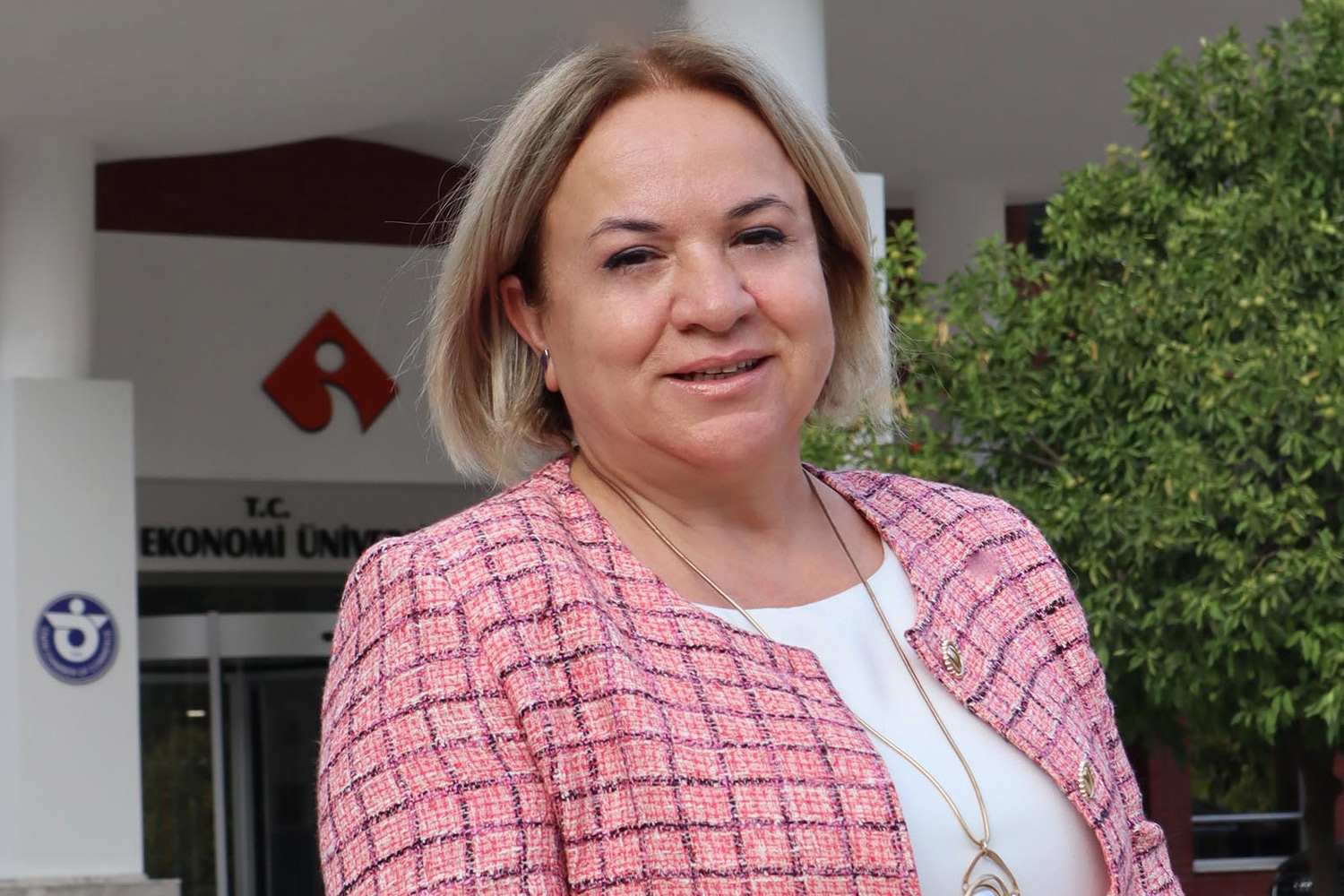

IZMIR UNIVERSITY OF ECONOMICS GÜZELBAHÇE CAMPUS
DetailsGLOBAL CAREER
As Izmir University of Economics transforms into a world-class university, it also raises successful young people with global competence.
More..CONTRIBUTION TO SCIENCE
Izmir University of Economics produces qualified knowledge and competent technologies.
More..VALUING PEOPLE
Izmir University of Economics sees producing social benefit as its reason for existence.
More..
You are one step ahead with your graduate education at Izmir University of Economics.